We are manufacturer, exporter, supplier and trader

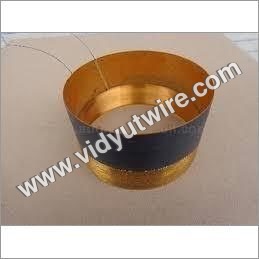
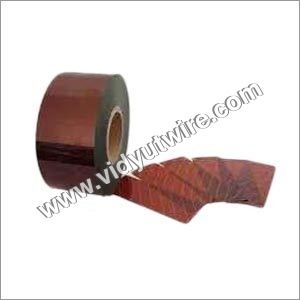
Voice Coil Paper
7500 INR/Kilograms
Product Details:
- No Of Core Single layer for coil winding
- Temperature Withstands up to 220C (Polyimide version)
- Product Type Voice Coil Paper
- Material Copper
- Function Used as the former for voice coils in loudspeakers and audio equipment
- Usage Industrial
- Insulation Material Polyimide/Kraft Paper
- Click to View more
X
Voice Coil Paper Price And Quantity
- 7500 INR/Kilograms
- 50 Kilograms
Voice Coil Paper Product Specifications
- Industrial
- Brown/Golden
- Voice Coil Paper
- Used as the former for voice coils in loudspeakers and audio equipment
- Copper
- Withstands up to 220C (Polyimide version)
- Polyimide/Kraft Paper
- Customizable as per application
- Loudspeaker voice coil former
- Single layer for coil winding
- Custom sizes (available in different inner and outer diameters)
- Typically ranges from 20mm to 75mm, customizable
- Low, for lightweight coil assembly
- High, suitable for heat dissipation in audio coils
- Flexible and easy to wind
- Superior moisture resistance for longer coil life
- Smooth surface, ideal for coil winding
- Compatible with copper and aluminum wires for winding
- High tensile and tear strength
- Ranges from 0.05mm to 0.2mm
- High dielectric properties ensures electrical insulation
- Excellent adhesion with epoxy used in coil winding
Product Description
Voice coil paper, also known as speaker cone paper, is a crucial component in the construction of speakers and loudspeakers. It is a lightweight and flexible material typically made from treated cellulose fibers or other composite materials. The voice coil paper is used to form the diaphragm or cone of the speaker, which vibrates in response to electrical signals to produce sound. The quality and characteristics of the voice coil paper significantly impact the speaker's performance, including frequency response, distortion levels, and overall sound quality.
FAQs:
Q: What is the role of voice coil paper in a speaker?
A: Voice coil paper serves as the diaphragm or cone of the speaker, converting electrical signals into sound waves. When the voice coil receives an electrical current, it interacts with a permanent magnet, causing the voice coil paper to vibrate and generate sound. The properties of the voice coil paper, such as its weight, stiffness, and damping characteristics, play a crucial role in shaping the speaker's frequency response and overall sound reproduction.
Q: What are the common materials used for voice coil paper?
A: Voice coil paper is typically made from treated cellulose fibers or composite materials. Treated cellulose fibers, such as paper pulp, are often used due to their lightweight, cost-effectiveness, and desirable acoustic properties. Composite materials may include blends of cellulose fibers with synthetic fibers or other additives to enhance strength, rigidity, and moisture resistance.
Q: How does the quality of voice coil paper impact speaker performance?
A: The quality of voice coil paper directly affects the performance of a speaker. Factors such as the stiffness, mass, and internal damping of the paper influence the speaker's frequency response, transient response, and overall distortion levels. High-quality voice coil paper with controlled properties helps to achieve accurate and natural sound reproduction with minimal coloration or unwanted resonances.
Q: Can voice coil paper be replaced or repaired?
A: In some cases, voice coil paper can be replaced or repaired. If the speaker cone or diaphragm made of voice coil paper becomes damaged, it may be possible to have it replaced by a professional speaker repair service. However, replacing the voice coil paper requires expertise and specialized tools. It is often more practical and cost-effective to replace the entire driver or speaker unit if the voice coil paper is extensively damaged.
Exceptional Heat Dissipation and Mechanical Integrity
This voice coil paper features high thermal conductivity, making it ideal for heat management in audio coils. Its robust mechanical strength with outstanding tensile and tear resistance ensures the structure's durability, supporting high-performance loudspeaker applications even under thermal and mechanical stress.
Customizable, Lightweight, and Highly Flexible
Available in customizable lengths, diameters, and thicknesses, the material boasts excellent flexibility and a low density. These properties make coil winding easy while keeping the assembly lightweight for high-fidelity audio applications. It is compatible with both copper and aluminum wires, suited for single-layer coil winding.
Reliable Electrical Insulation and Moisture Protection
With high dielectric strength and superior moisture resistance, this former paper ensures lasting electrical isolation and prevents degradation over time. Its smooth finish helps achieve efficient and accurate winding, while insulation materials like polyimide or kraft paper enable it to withstand temperatures up to 220C.
FAQ's of Voice Coil Paper:
Q: How does high thermal conductivity benefit voice coil applications?
A: High thermal conductivity allows the coil to efficiently dissipate heat generated during audio operation, preventing overheating, which helps maintain audio performance and extends the life of loudspeaker components.Q: What makes this voice coil paper suitable for industrial usage?
A: The paper's excellent mechanical strength, flexibility, superior moisture resistance, and high dielectric insulation make it well-suited for rigorous industrial applications, especially as a former in loudspeaker and audio coil assembly.Q: When is it preferable to use polyimide insulation for the coil former?
A: Polyimide insulation is ideal in high-temperature environments or applications requiring the coil to withstand temperatures up to 220C, ensuring reliability and durability in demanding conditions.Q: Where can these voice coil papers be used?
A: These formers are primarily used in loudspeakers and audio equipment, particularly in manufacturing and repairing voice coils. They're suitable for various audio applications in industries requiring robust and precise coil winding.Q: What is the process for customizing coil paper dimensions?
A: You can specify your required length, thickness (0.05mm-0.2mm), and diameter (20mm to 75mm), allowing the manufacturer or supplier to tailor the paper to your specifications for optimal integration into your audio systems.Q: How does superior moisture resistance benefit coil life?
A: The moisture-resistant property safeguards the coil against environmental humidity, reducing the risk of degradation and electrical failure, thereby extending the operational life of loudspeakers.Q: What advantages does the smooth surface finish provide during coil winding?
A: A smooth surface ensures uniform winding of wires, minimizing friction and the risk of insulation damage. This leads to improved performance and reliability of the voice coil assembly.Tell us about your requirement

Price:
Quantity
Select Unit
- 50
- 100
- 200
- 250
- 500
- 1000+
Additional detail
Mobile number
Email

Other Products in 'Voice Coils' category



VIDYUT TELETRONICS LTD.
GST : 08AACCV3530B1ZS
GST : 08AACCV3530B1ZS
Contact Us

- 1st Floor, Plot No.99, Mohan Bari, Galta Gate, Near Meliu Fields School, Jaipur - 302003, Rajasthan, India
- Phone :08045479355

- Mr. Saurabh Jain (Executive Director)
- Mobile :08045479355
- Send Inquiry
 Send Inquiry
Categories
 Send Inquiry
 Send SMS
VIDYUT TELETRONICS LTD.
All Rights Reserved.(Terms of Use)
Developed and Managed by Infocom Network Private Limited.
Developed and Managed by Infocom Network Private Limited.

